The Good, the Bad, and the Ugly of AI in Business
From the Lionheart Team’s Open Forum – Episode 002. Watch or listen to the discussion on YouTube or Rumble.
When two of Lionheart’s founders gave ChatGPT an outline for a book about entrepreneurship, they wanted to see what it could do. The draft surprised them. Some of its ideas were insightful. It also contained factual mistakes, typos, and numbering errors. Someone still had to read the book closely enough to tell the difference.
That experiment captures much of the discussion in Lionheart Open Forum 002. Tom, Rob, and Paul were largely optimistic about artificial intelligence, but they came to it from different places. Rob wants to understand the technology well enough to put it to work. Paul is happy to let others build the tools and use them when they make his life easier. Tom has seen both the cost of missing a shift in technology and the trouble that comes from trusting its output too readily.
What earlier technology shifts can teach us
Rob opened with a look at farm machinery, assembly lines, ATMs, and personal computers. Each changed what people did for a living. The mechanical reaper made some farm labor unnecessary. Mass production made cars more affordable. In both cases, the economic picture looked different depending on whether you were a customer gaining access to something useful or a worker whose livelihood was changing.
Rob expects AI to shift work in much the same way. He sees opportunities to get more done and develop new skills, alongside disruption for people whose tasks can be automated. The panel also discussed where those effects might differ. Routine office work and repetitive manual tasks could change considerably, while skilled trades and work that depends on personal trust could retain or even gain value. Those were the founders’ expectations, and they acknowledged that no one knows exactly how the shift will play out.
Thom brought that question closer to home. He spent 17 years at Digital Equipment Corporation and remembers how difficult it was for leadership at a successful computer company to see why people would want computers in their homes. For a business owner, that story raises a useful planning question. Which idea are you dismissing today because it makes little sense given the way your customers work now?
Finding a use for AI when you already have a full-time job
One of the most recognizable moments came when Rob, the panel’s most enthusiastic AI user, admitted how hard it is to find time to learn another tool while keeping up with work. Paul offered a different way into the subject. He described how useful it was to call someone by voice from his car without looking down or even knowing the person’s number. What mattered to him was the task he could do more easily.
That distinction gives owners a manageable place to start. Take the founders’ book experiment. They began with an outline they understood and could judge whether the draft was useful. You could try the same approach with a narrower task, such as drafting an answer to a customer question you handle every week. Compare the result with the answer you would actually send. Where did the tool save time? What did you have to correct? The time spent checking the work is part of the cost of using it.
Who controls the tools, and who can trust the result?
For Rob, the prospect of AI “going rogue” was less pressing than the question of who controls the technology and its infrastructure. The founders discussed the role of governments, the case for guardrails, and the possibility that regulation could help established companies shut out smaller competitors. They also discussed the difference between using a cloud service and running AI tools on a company’s own systems, where the business has more control over its data.
Tom shared a reason those questions matter even to a small art gallery. He and his wife had seen copies of her artwork offered for sale as someone else’s work. He didn’t attribute that incident to AI. Copying long predates it. What mattered to a buyer was knowing how to recognize an original, down to the artist’s signature and certificate of authenticity. Business owners face a similar question when they publish work under their own name. What gives a customer reason to trust where it came from and who stands behind it?
Where a person still makes the difference
Paul told a story about a conversation with his dentist. He had assumed dentistry was an obvious example of work a robot couldn’t do. His dentist challenged that assumption by pointing to individual procedures that machines could help perform. Then the panel considered the experience from the chair. If you start coughing during a procedure, you want someone to notice and stop.
That example brought the discussion back to a distinction any business owner can use. A job consists of many tasks, and a customer may value each one for a different reason. Someone may welcome a faster answer to a routine question and still want a person who can recognize discomfort, exercise judgment, or take responsibility when something goes wrong.
The founders came away hopeful about AI while leaving room for different approaches to learning it. For your own business, start with two questions drawn from the conversation. Where would a customer appreciate a faster answer? Where would they most appreciate having a person there? The answers can help you decide what to try first and where your team’s attention matters most.

The Good The Bad The Ugly of AI in Business
Why Businesses Fail
10 Business and Leadership Lessons Dr Matt Fontaine
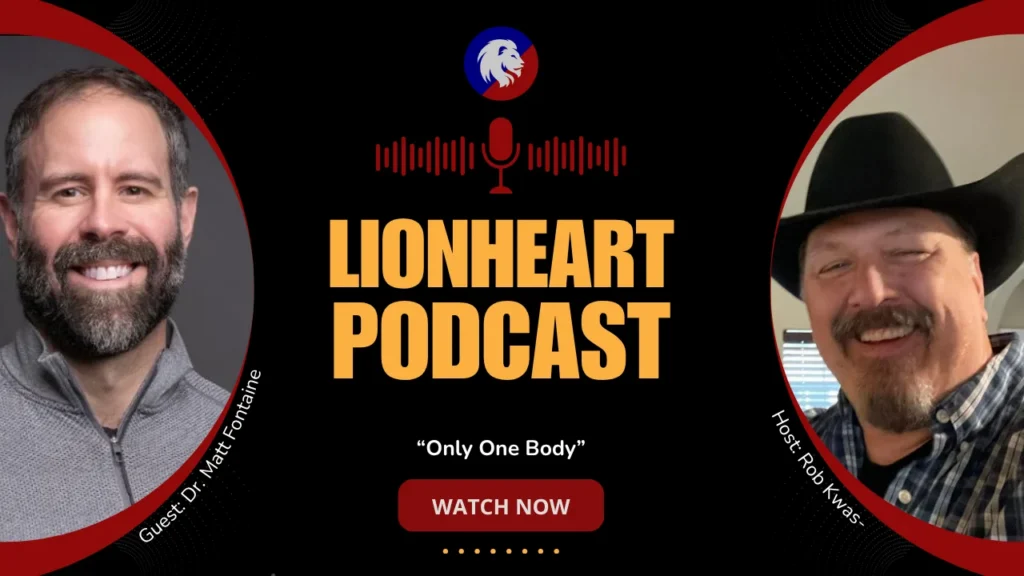
10 Business and Leadership Lessons from Dr. Matt Fontaine, Author of “Only One Body”Entrepreneurs spend enormous…

 Paul R. Gelinas is the Chief Revenue Officer at Vital Payroll Advisors, bringing over two decades of experience in driving revenue growth and fostering client relationships. Throughout his career, Paul has been recognized for his strategic vision and ability to lead high-performing teams across various industries.


 Thompson Stimpel is the Founder & Managing Director of Proactive Business Improvements, LLC – a global business advisory group founded in 2002. As a transformational leader with more than 40 years of multi-product, multi-market, multi-national experience, Thom is acknowledged for his unique ability to convert “strategic concepts” into “operational realities”.